
Immerse yourself in the world of board and batten home exteriors with a captivating blend of style and functionality. From design considerations to installation tips, this topic delves into the essence of creating a unique and appealing facade for your home.
What is a board and batten home exterior?
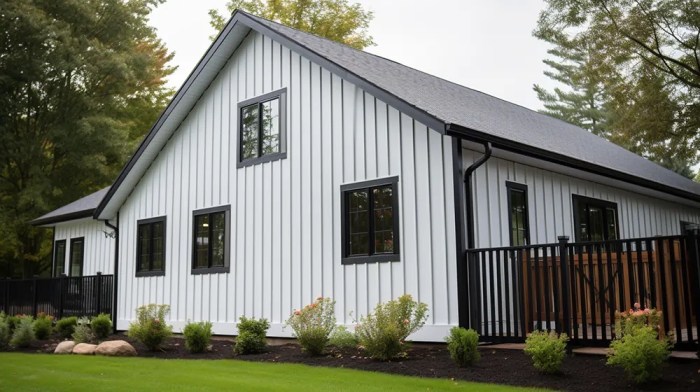
A board and batten home exterior is a style of siding that features alternating wide boards (the "boards") and narrow strips (the "battens"). This traditional style adds texture and visual interest to the exterior of a home.
Board and Batten Siding Concept
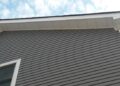
Board and batten siding consists of wide boards that are placed vertically on the exterior of a building. The battens, which are narrower strips, are then installed over the gaps between the boards. This creates a distinctive look with a rustic charm.
Usage in Home Exteriors
- Board and batten siding is commonly used in farmhouse-style homes to evoke a sense of history and tradition.
- It can also be seen in modern and contemporary homes, providing a unique architectural detail.
- Some homeowners choose to use board and batten siding as an accent on specific areas of the home, such as gables or porches.
Styles and Materials
Board and batten exteriors can be created using various materials, including:
- Wood: Cedar, pine, or cypress are popular choices for a natural and rustic look.
- Vinyl: Low-maintenance and available in a wide range of colors.
- Fiber cement: Durable and resistant to rot, insects, and fire.
Design considerations for a board and batten home exterior.
When designing a board and batten home exterior, there are several key considerations to keep in mind to ensure a cohesive and visually appealing look. From color choices that complement the siding to incorporating trim elements and integrating other exterior materials, each decision plays a role in the overall aesthetic of the home.
Color choices that complement board and batten siding
When selecting colors for a board and batten home exterior, it's essential to consider the overall style and desired look of the home. Opt for colors that complement each other and enhance the texture of the siding. For a classic look, consider pairing white board and batten siding with a dark trim color.
Alternatively, for a more modern feel, choose a monochromatic color scheme or experiment with bold, contrasting colors.
How to incorporate trim elements to enhance the aesthetic appeal
Trim elements play a crucial role in enhancing the visual impact of a board and batten home exterior. Consider adding trim around windows, doors, and corners to create a polished and finished look. Opt for trim in a contrasting color to make it stand out against the siding or choose a color that complements the overall color scheme.
Additionally, consider decorative trim elements, such as crown molding or corbels, to add a touch of elegance to the exterior.
Ideas for integrating other exterior materials with board and batten siding
To add visual interest and depth to a board and batten home exterior, consider incorporating other materials such as stone, brick, or stucco. These materials can be used to create accents, columns, or borders that complement the board and batten siding.
Mixing materials adds texture and dimension to the exterior, creating a dynamic and visually appealing facade. Experiment with different combinations to find the perfect balance of materials for your home's exterior design.
Pros and cons of a board and batten home exterior.
When considering a board and batten home exterior, it is important to weigh the advantages and disadvantages of this siding option.
Advantages of Board and Batten Siding:
- Classic Aesthetic: Board and batten siding provides a timeless and rustic look to a home, adding charm and character.
- Customization: This type of siding can be painted in various colors to suit different architectural styles and personal preferences.
- Durability: Board and batten siding is known for its durability and ability to withstand harsh weather conditions.
- Energy Efficiency: The vertical design of board and batten siding can improve insulation and energy efficiency of a home.
- Easy Installation: Board and batten siding is relatively easy to install, making it a popular choice for homeowners and contractors.
Drawbacks of Board and Batten Siding:
- Maintenance: Board and batten siding may require more maintenance compared to other siding options, including periodic painting or staining.
- Cost: While initial costs may vary, board and batten siding can be more expensive than other siding materials.
- Moisture Issues: If not properly maintained, board and batten siding can be susceptible to moisture-related problems such as rotting or warping.
- Limited Design Options: The traditional look of board and batten siding may not appeal to those seeking a more modern or sleek exterior design.
Maintenance and Longevity:
Board and batten siding can last for many years with proper maintenance, which includes regular cleaning, inspections, and repairs as needed. Painting or staining every few years can help protect the siding from weather damage and extend its lifespan. Overall, board and batten exteriors have the potential to be a durable and attractive choice for homeowners looking for a classic and rustic aesthetic.
Installation and Construction of a Board and Batten Home Exterior
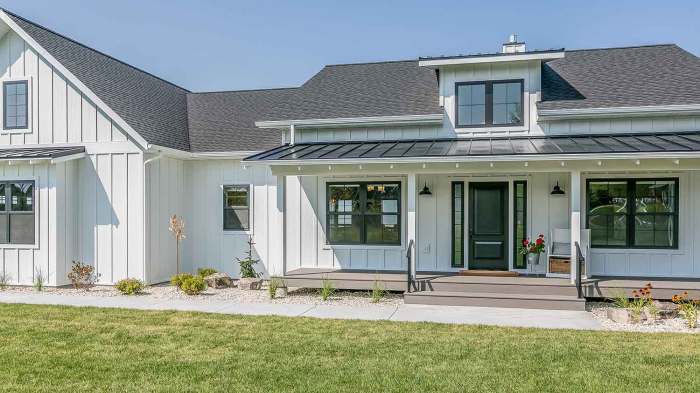
When it comes to installing a board and batten home exterior, there are specific steps and considerations to ensure a successful outcome. The process involves attaching wide vertical boards (boards) and narrow wooden strips (battens) over the seams to create a cohesive and visually appealing look.
Process of Installing Board and Batten Siding
The installation of board and batten siding typically follows these steps:
- Prepare the surface: Ensure the exterior surface is clean, smooth, and properly sealed to prevent moisture infiltration.
- Measure and cut boards: Measure the dimensions of the boards and battens accurately, and cut them to the appropriate lengths using a saw.
- Attach boards: Start by attaching the wide vertical boards to the exterior surface, ensuring they are level and properly spaced.
- Add battens: Once the boards are in place, install the narrow battens over the seams between the boards to create the characteristic look of board and batten siding.
- Finish and seal: Finally, finish the siding with paint or stain to protect it from the elements and seal any gaps for added durability.
Tools and Materials Needed for Installation
For a successful installation of board and batten siding, you will need the following tools and materials:
| Tools: | Materials: |
| - Saw | - Vertical boards |
| - Hammer or nail gun | - Narrow battens |
| - Level | - Nails or screws |
| - Tape measure | - Paint or stain |
Tips for a Durable and Visually Appealing Board and Batten Exterior
To ensure your board and batten home exterior stands the test of time and looks great, consider the following tips:
- Choose quality materials: Opt for durable wood or composite materials that can withstand the elements.
- Proper spacing: Maintain consistent spacing between the boards and battens for a uniform and visually appealing finish.
- Seal seams: Seal any gaps or seams between the boards and battens to prevent moisture infiltration and prolong the lifespan of the siding.
- Regular maintenance: Keep your board and batten siding clean and well-maintained to prevent rot and deterioration over time.
Closure
In conclusion, board and batten exteriors offer a timeless charm with a modern twist, making them a versatile choice for homeowners looking to elevate their curb appeal. From the classic elegance of board and batten siding to the practical considerations of maintenance, this style is sure to make a statement on any home exterior.
Commonly Asked Questions
What is board and batten siding?
Board and batten siding consists of wide boards with narrow strips (battens) covering the seams. It adds texture and visual interest to a home exterior.
How can I choose colors that complement board and batten siding?
Opt for contrasting or neutral colors to highlight the texture of the siding. Dark colors can add drama, while lighter shades create a more airy feel.
What are the advantages of board and batten exteriors?
Board and batten siding is durable, versatile, and offers a classic look. It can also be used to enhance the architectural style of a home.
What tools are needed for installing board and batten siding?
Tools like a saw, level, hammer, and nails are essential. Proper measuring tools and safety gear should also be used during installation.