
Energy efficient HVAC systems for eco-friendly interiors lay the foundation for a sustainable and environmentally conscious approach to heating, ventilation, and air conditioning. In this guide, we explore the innovative technologies, design considerations, and maintenance practices that contribute to creating eco-friendly indoor spaces while optimizing energy efficiency.
As we delve into the intricacies of energy-efficient HVAC systems, readers will gain valuable insights into maximizing comfort, reducing energy consumption, and promoting a greener living environment.
Energy Efficient HVAC Systems
Energy-efficient HVAC systems are designed to minimize energy consumption while still effectively heating, cooling, and ventilating indoor spaces. These systems utilize advanced technologies to reduce energy waste and operate more efficiently compared to traditional HVAC systems.
Examples of Energy-Efficient HVAC Technologies
- Variable Refrigerant Flow (VRF) Systems: VRF systems use variable-speed compressors to adjust refrigerant flow based on the heating or cooling needs of different zones, leading to energy savings.
- Geothermal Heat Pumps: These systems utilize the stable temperature of the ground to provide heating in the winter and cooling in the summer, resulting in lower energy consumption.
- Smart Thermostats: Smart thermostats can learn the occupants' schedule and adjust the temperature settings accordingly, optimizing energy usage.
Benefits of Using Energy-Efficient HVAC Systems in Eco-Friendly Interiors
Energy-efficient HVAC systems offer several benefits when incorporated into eco-friendly interiors:
- Reduced Energy Costs: By consuming less energy, these systems help lower utility bills, making them cost-effective in the long run.
- Lower Carbon Footprint: Energy-efficient HVAC systems produce fewer greenhouse gas emissions, contributing to a more sustainable environment.
- Enhanced Indoor Air Quality: These systems often come with advanced filtration technologies that improve indoor air quality by removing pollutants and allergens.
- Increased Comfort: Efficient temperature control and humidity regulation provided by these systems create a more comfortable indoor environment for occupants.
Components of Energy-Efficient HVAC Systems
Energy-efficient HVAC systems are designed with specific components that play a crucial role in reducing energy consumption and promoting a sustainable environment. Let's delve into the key components that make HVAC systems energy-efficient.
Insulation
Insulation is a vital component that greatly impacts the energy efficiency of HVAC systems. Proper insulation helps in maintaining a consistent temperature within the building, reducing the workload on the heating and cooling systems. By minimizing heat transfer through walls, ceilings, and floors, insulation ensures that conditioned air stays inside, leading to lower energy usage and decreased utility bills.
Smart Thermostats
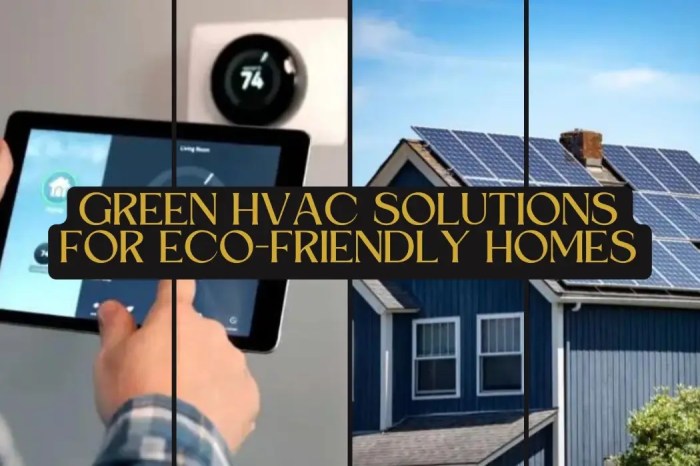
Smart thermostats are innovative devices that contribute significantly to energy savings in HVAC systems. These advanced thermostats allow users to program temperature settings based on their schedule and preferences, optimizing energy usage throughout the day. Additionally, smart thermostats can learn user behavior over time and adjust settings automatically to maximize efficiency.
By providing precise control and real-time monitoring, smart thermostats help reduce energy waste and improve overall system performance.
Design Considerations for Eco-Friendly Interiors
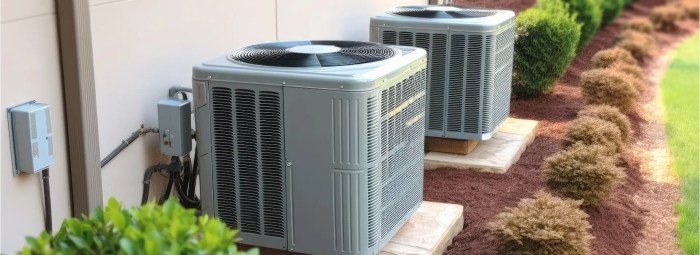
When designing eco-friendly interiors, it is crucial to consider how HVAC systems can contribute to sustainability. By integrating energy-efficient HVAC systems with natural ventilation techniques, the overall energy consumption of the building can be reduced significantly. Proper sizing and placement of HVAC units also play a vital role in ensuring maximum energy efficiency and comfort for occupants.
Integration of Natural Ventilation Techniques
Natural ventilation techniques such as cross ventilation, stack effect, and wind-driven ventilation can work hand in hand with energy-efficient HVAC systems to reduce the need for mechanical cooling and heating. By strategically placing operable windows, vents, and louvers, fresh air can be circulated throughout the space, improving indoor air quality and reducing the reliance on HVAC systems.
Proper Sizing and Placement of HVAC Units
One of the key design considerations for eco-friendly interiors is the proper sizing and placement of HVAC units. Oversized units can lead to short cycling, decreased efficiency, and increased energy consumption. By conducting load calculations and considering factors such as insulation, building orientation, and occupancy levels, designers can ensure that HVAC systems are appropriately sized for the space.
Additionally, placing HVAC units in shaded areas and away from heat sources can help improve their efficiency and longevity.
Maintenance and Optimization
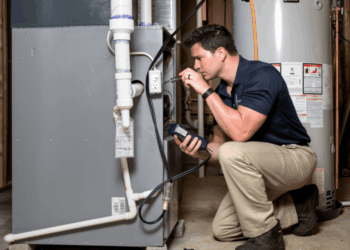
Regular maintenance plays a crucial role in ensuring the optimal performance of energy-efficient HVAC systems in eco-friendly interiors. By following best practices and servicing schedules, users can maximize the energy efficiency of their HVAC systems while reducing energy consumption and carbon footprint.
Best Practices for Maintaining Energy-Efficient HVAC Systems
- Change air filters regularly to ensure proper airflow and reduce strain on the system.
- Inspect and clean ductwork to prevent air leaks and improve efficiency.
- Check refrigerant levels and system components for any leaks or malfunctions.
- Schedule annual professional maintenance to optimize system performance and identify potential issues early.
Role of Regular Servicing in Optimizing HVAC System Performance
- Regular servicing helps identify and address minor issues before they escalate into major problems.
- Optimizing system components through regular maintenance ensures efficient operation and extends the lifespan of the HVAC system.
- Well-maintained systems operate more effectively, leading to lower energy consumption and reduced utility costs.
Tips for Maximizing Energy Efficiency in Eco-Friendly Interiors
- Utilize programmable thermostats to adjust temperature settings based on occupancy and optimize energy usage.
- Ensure proper insulation and sealing of windows and doors to minimize heat loss or gain.
- Consider zoning systems to control heating and cooling in different areas of the building based on usage patterns.
- Encourage regular maintenance and educate users on energy-saving practices to promote a sustainable environment.
Closing Summary
In conclusion, embracing energy efficient HVAC systems for eco-friendly interiors not only benefits the environment but also enhances the overall quality of indoor spaces. By integrating cutting-edge technologies, thoughtful design strategies, and proactive maintenance routines, individuals can create sustainable living environments that prioritize both comfort and conservation.
Popular Questions
How do energy-efficient HVAC systems contribute to eco-friendly interiors?
Energy-efficient HVAC systems reduce energy consumption, lower utility costs, and minimize environmental impact by optimizing heating and cooling processes within indoor spaces.
What role does insulation play in enhancing HVAC energy efficiency?
Insulation helps maintain consistent indoor temperatures, reduces heat loss or gain, and improves the overall efficiency of HVAC systems by minimizing energy wastage.
How can users maximize the energy efficiency of their HVAC systems in eco-friendly interiors?
Users can optimize energy efficiency by setting programmable thermostats, conducting regular maintenance checks, and ensuring proper insulation and ventilation in their living spaces.