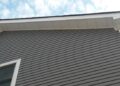

Exploring the world of siding for homes, this guide is designed to provide valuable insights and information in a way that is both engaging and informative. Dive into the details of different siding materials and discover what makes each option unique and suitable for your home.
Learn about the factors that play a crucial role in choosing the best siding, from climate considerations to maintenance costs, and how aesthetics can transform the look of your home.
Types of Siding Materials
When it comes to choosing the right siding material for your home, there are several options available, each with its own set of advantages and disadvantages. Let's take a closer look at some of the most common types of siding materials used in residential construction.
Vinyl Siding
Vinyl siding is a popular choice for homeowners due to its affordability and low maintenance requirements. It is durable, resistant to rot and insects, and comes in a variety of colors and styles. However, vinyl siding can crack or fade over time, and extreme temperatures may cause it to warp.
Wood Siding
Wood siding offers a natural and timeless look to a home, with options such as cedar, pine, and redwood. While wood siding is aesthetically pleasing, it requires regular maintenance such as painting or staining to prevent rot, mold, and insect damage.
It is also susceptible to fire and moisture.
Fiber Cement Siding
Fiber cement siding is a durable and low-maintenance option that mimics the look of wood or stucco. It is resistant to rot, fire, and insects, and can withstand harsh weather conditions. However, fiber cement siding is heavy and may require professional installation.
Metal Siding
Metal siding, such as aluminum or steel, is known for its strength, longevity, and resistance to fire and insects. It is lightweight and easy to install, but may dent or scratch easily. Metal siding is also prone to rust if not properly maintained.
Factors to Consider
When choosing the best siding for homes, there are several important factors to consider to ensure you make the right decision for your specific needs and preferences.
Climate Consideration
One crucial factor to consider when selecting siding materials is the climate of the area where your home is located. Different types of siding perform better in particular climates, so it's essential to choose a material that can withstand the weather conditions in your region.
For example, vinyl siding is a popular choice in areas with milder climates, while fiber cement siding is more durable and suitable for harsher climates.
Impact of Maintenance Costs
The maintenance costs associated with different siding materials can vary significantly and should be taken into account when making a decision. Some materials may require more frequent maintenance, such as painting or sealing, which can add up over time. On the other hand, some siding options are low maintenance and only require occasional cleaning to keep them looking good.
Considering the long-term maintenance costs can help you choose a siding material that fits your budget and lifestyle.
Role of Aesthetics
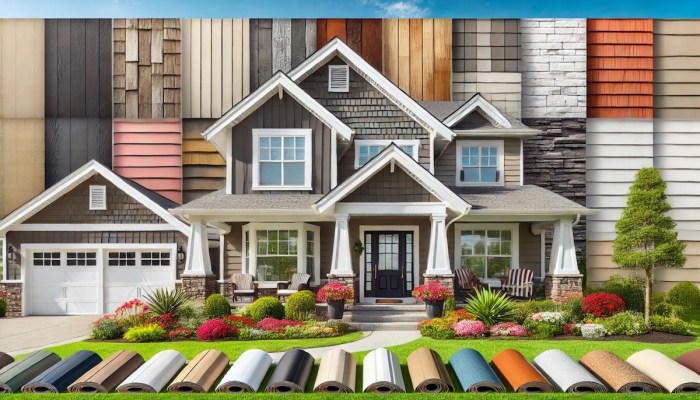
Aesthetics play a significant role in selecting the best siding for homes as it contributes to the overall curb appeal and visual appeal of your property. The siding material you choose should complement the architectural style of your home and enhance its appearance.
Whether you prefer a traditional look with wood siding or a more modern aesthetic with metal siding, the appearance of your home's exterior can greatly impact its value and appeal.
Energy Efficiency and Insulation
Properly insulating a home is crucial for maintaining energy efficiency and reducing utility bills. The type of siding material used can also play a significant role in the overall energy efficiency of a home.
Impact of Siding Materials
Different siding materials have varying levels of insulation properties. For example, vinyl siding is known for its low thermal conductivity, which helps to keep the interior of the home at a consistent temperature
Importance of Insulation
Proper insulation in conjunction with siding helps to create a thermal barrier for the home, preventing heat loss in the winter and heat gain in the summer. This reduces the workload on heating and cooling systems, leading to lower energy usage and cost savings.
Energy-Efficient Siding
Investing in energy-efficient siding can have a significant impact on utility bills. Materials like insulated vinyl siding or fiber cement siding with added insulation can improve the overall energy efficiency of a home. This can lead to reduced energy consumption and lower heating and cooling costs over time.
Installation and Maintenance
When it comes to siding for your home, proper installation and regular maintenance are key to ensuring the longevity and functionality of the material. In this section, we will discuss the step-by-step guide for installing different types of siding, common maintenance practices, and the importance of hiring professionals for installation.
Installation Guide
- Prepare the surface: Make sure the surface is clean, smooth, and free of any debris before installing the siding.
- Measure and cut: Take accurate measurements of the area where the siding will be installed and cut the pieces accordingly.
- Start from the bottom: Begin installing the siding from the bottom and work your way up, ensuring a proper overlap between each piece.
- Secure the siding: Use appropriate nails or screws to secure the siding in place, following the manufacturer's guidelines.
- Finish the edges: Trim the edges neatly for a clean and polished look.
Maintenance Practices
- Regular cleaning: Clean the siding periodically to remove dirt, mold, and mildew buildup.
- Inspect for damage: Check the siding for any signs of damage, such as cracks, holes, or warping, and repair them promptly.
- Paint or seal: If your siding requires painting or sealing, make sure to do so according to the manufacturer's recommendations.
- Trim vegetation: Keep vegetation trimmed away from the siding to prevent moisture retention and potential damage.
Significance of Hiring Professionals
- Expertise: Professionals have the knowledge and experience to ensure proper installation, minimizing the risk of errors.
- Efficiency: Hiring professionals can save you time and effort, as they can complete the installation quickly and efficiently.
- Warranty: Many professional installers offer warranties on their work, giving you peace of mind in case of any issues.
- Safety: Working with professionals reduces the risk of accidents or injuries during the installation process.
Concluding Remarks
In conclusion, finding the best siding for your home is not just about aesthetics but also about durability, energy efficiency, and maintenance. By understanding the various factors involved, you can make an informed decision that enhances both the appearance and functionality of your home.
FAQ Insights
What is the most durable siding material?
Vinyl siding is known for its durability and low maintenance requirements, making it a popular choice for many homeowners.
How does climate impact the choice of siding?
Climate plays a crucial role in determining the best siding for homes, as certain materials may perform better in specific weather conditions.
Do energy-efficient sidings really reduce utility bills?
Yes, energy-efficient sidings can help reduce energy consumption and lower utility bills over time by improving insulation and reducing heat transfer.