
Embarking on the journey of eco friendly roofing and siding materials opens up a world of sustainable options for homeowners looking to reduce their environmental footprint. From solar tiles to recycled shingles, these materials not only benefit the planet but also offer long-lasting solutions for your property.
Let's delve into the realm of eco-friendly roofing and siding materials to discover the possibilities that await.
As we unravel the intricacies of each material and its impact, a new perspective emerges on how these choices can transform not just the aesthetics but also the functionality of your home.
Eco-Friendly Roofing Materials
When it comes to eco-friendly roofing materials, the focus is on using sustainable options that have minimal impact on the environment. These materials are designed to be energy-efficient, durable, and recyclable, making them a popular choice for environmentally conscious homeowners.
Examples of Sustainable Roofing Materials
- Solar panels: Harnessing the power of the sun to generate electricity for your home.
- Metal roofs: Recyclable and long-lasting, reducing the need for frequent replacements.
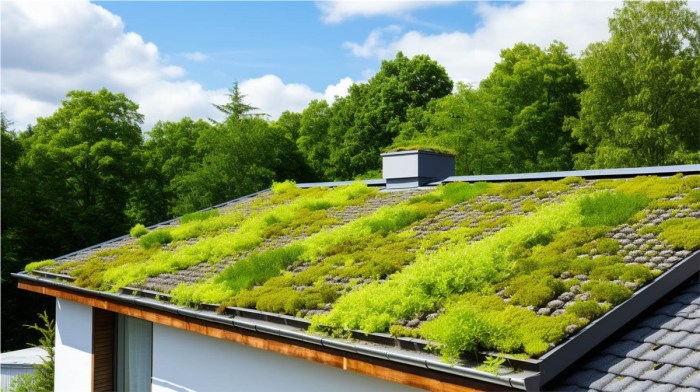
- Green roofs: Covered with vegetation to provide insulation, reduce stormwater runoff, and improve air quality.
- Recycled shingles: Made from recycled materials like rubber, plastic, or wood fibers, reducing waste in landfills.
Environmental Benefits of Using Eco-Friendly Roofing Materials
- Reduce energy consumption: Energy-efficient materials can help lower heating and cooling costs.
- Lower carbon footprint: Sustainable materials require fewer resources to manufacture and produce less waste.
- Promote biodiversity: Green roofs provide habitat for plants and animals, supporting local ecosystems.
Longevity and Durability of Eco-Friendly Roofing Materials
Eco-friendly roofing materials are often more durable than traditional options, lasting longer and requiring fewer repairs or replacements. While they may have a higher upfront cost, the long-term savings in maintenance and energy bills make them a cost-effective choice in the end.
Types of Eco-Friendly Roofing Materials
When it comes to choosing eco-friendly roofing materials, there are several options available that are not only sustainable but also energy-efficient. Let's explore some of the most popular types of eco-friendly roofing materials and their installation processes and cost-effectiveness.
Solar Tiles
Solar tiles are a type of roofing material that harnesses the power of the sun to generate electricity for your home. These tiles are designed to seamlessly blend in with traditional roofing materials while capturing solar energy. The installation process for solar tiles involves integrating them into your existing roof structure and connecting them to an inverter for electricity conversion.
While the initial cost of solar tiles may be higher, they can significantly reduce your energy bills over time, making them a cost-effective option in the long run.
Metal Roofs
Metal roofs are another eco-friendly option that is durable, long-lasting, and recyclable. The installation process for metal roofs involves securing metal panels or shingles to your roof structure. Metal roofs are known for their energy efficiency, as they reflect solar heat and reduce cooling costs during hot weather.
While the upfront cost of metal roofs may be higher than traditional asphalt shingles, their longevity and energy-saving benefits make them a cost-effective choice in the long term.
Green Roofs
Green roofs, also known as living roofs, are roofs covered with vegetation and plants. These roofs provide insulation, reduce stormwater runoff, and create a habitat for wildlife. The installation process for green roofs involves adding a waterproofing membrane, drainage layer, and growing medium for plants.
While the initial cost of installing a green roof may be higher, they can improve air quality, reduce energy consumption, and increase the lifespan of your roof, making them a sustainable and cost-effective option in the long term.
Recycled Shingles
Recycled shingles are made from recycled materials such as plastic, rubber, or wood fibers. These shingles are durable, lightweight, and eco-friendly. The installation process for recycled shingles is similar to traditional asphalt shingles, making them easy to install. While the initial cost of recycled shingles may be comparable to traditional roofing materials, their sustainability and environmental benefits make them a cost-effective choice in the long run.
Benefits of Eco-Friendly Siding Materials
Using eco-friendly siding materials for homes offers several advantages. Not only do these materials help reduce the environmental impact of construction, but they also contribute to energy efficiency in the long run.
Examples of Sustainable Siding Materials
- Reclaimed Wood: Reclaimed wood siding is sourced from old barns, factories, or other structures, giving it a unique and rustic look. By using reclaimed wood, you are preventing new trees from being cut down and reducing waste.
- Fiber Cement: Fiber cement siding is a durable and low-maintenance option made from a mix of cement, sand, and cellulose fibers. It is resistant to fire, insects, and rot, making it a sustainable choice for siding.
- Stone Veneer: Stone veneer siding provides a natural and elegant appearance to homes. It is lightweight, easy to install, and requires minimal maintenance, making it a popular eco-friendly option.
Installation and Maintenance
Proper installation and maintenance are crucial for maximizing the benefits of eco-friendly roofing and siding materials. By following the right procedures, you can ensure their longevity and effectiveness in enhancing the overall value of your property.
Installation of Eco-Friendly Roofing and Siding Materials
- Always hire professional installers with experience in working with eco-friendly materials to ensure proper installation.
- Follow manufacturer guidelines and recommendations for installation to avoid voiding warranties and ensure optimal performance.
- Inspect the existing roof or siding for any damage or issues that need to be addressed before installing the new eco-friendly materials.
- Properly seal and insulate the areas around vents, chimneys, and other openings to prevent leaks and maximize energy efficiency.
Maintenance Requirements for Longevity
- Regularly inspect the roof and siding for any signs of damage, such as cracks, leaks, or warping, and address them promptly to prevent further issues.
- Clean the roof and siding regularly to remove debris, mold, and algae growth that can compromise their performance and appearance.
- Trim overhanging branches and trees to prevent damage from falling limbs and debris, especially during storms or high winds.
- Check and maintain gutters and downspouts to ensure proper drainage and prevent water damage to the roof and siding.
Enhancing Property Value with Eco-Friendly Materials
- Eco-friendly roofing and siding materials can increase the overall value of a property by enhancing its energy efficiency and curb appeal.
- Buyers are increasingly interested in sustainable and environmentally friendly homes, making properties with eco-friendly materials more attractive in the real estate market.
- The durability and long lifespan of eco-friendly materials can also lower maintenance costs over time, adding to the property's value and appeal to potential buyers.
- Investing in eco-friendly materials demonstrates a commitment to sustainability and can set your property apart from others in the neighborhood.
Final Conclusion
In conclusion, eco-friendly roofing and siding materials provide a harmonious blend of sustainability and practicality, offering a greener way to enhance your living space. By opting for these environmentally conscious choices, you not only contribute to a healthier planet but also create a more resilient and energy-efficient home for generations to come.
Make the switch to eco-friendly roofing and siding materials today and embrace a brighter future for your property.
Frequently Asked Questions
Are eco-friendly roofing materials more expensive than traditional options?
While the initial cost of eco-friendly roofing materials may be higher, the long-term savings on energy bills and maintenance often offset the higher upfront investment. In the end, it can be a cost-effective choice.
How do eco-friendly siding materials contribute to energy efficiency?
Eco-friendly siding materials like fiber cement or stone veneer provide better insulation, reducing heat transfer and improving the overall energy efficiency of a home. This can lead to lower heating and cooling costs.
What are the maintenance requirements for eco-friendly roofing and siding materials?
Regular inspections, cleaning, and minor repairs are essential to maintain the longevity and effectiveness of eco-friendly roofing and siding materials. Following manufacturer guidelines is key to ensuring their performance.