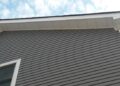

Delving into the realm of fire-resistant siding materials, we uncover the crucial aspects of their importance and functionality. From the various types available to their key features, this guide aims to shed light on the world of fire-resistant siding materials.
Overview of Fire-Resistant Siding Materials
Using fire-resistant siding materials in construction is crucial for enhancing the safety and durability of buildings. These materials are designed to withstand high temperatures and reduce the spread of fires, providing valuable protection for homes and commercial structures.
Common Types of Fire-Resistant Siding Materials
- Fiber Cement Siding: Made from a combination of cement, sand, and cellulose fibers, fiber cement siding is known for its excellent fire resistance properties.
- Metal Siding: Steel and aluminum siding are popular choices for fire-resistant materials due to their non-combustible nature and ability to withstand intense heat.
- Stucco: Stucco siding, made from cement, sand, and lime, offers good fire protection and is commonly used in areas prone to wildfires.
Key Features of Fire-Resistant Siding Materials
- Non-Combustible: Fire-resistant siding materials are designed to resist ignition and slow down the spread of flames in case of a fire.
- High Heat Resistance: These materials can withstand high temperatures without catching fire, providing a protective barrier for the structure.
- Durable and Long-Lasting: Fire-resistant siding materials are built to last, offering both fire protection and longevity for the building.
Comparison of Different Fire-Resistant Siding Materials
When it comes to fire-resistant siding materials, it is crucial to consider factors such as fire resistance levels, durability, maintenance requirements, and cost-effectiveness. Let's compare fiber cement, metal, and vinyl siding in these aspects.
Fire Resistance Levels
- Fiber Cement Siding: Known for its high fire resistance, fiber cement siding is non-combustible and can withstand high temperatures without igniting.
- Metal Siding: Metal siding also offers excellent fire resistance, as metals like steel and aluminum are non-combustible materials.
- Vinyl Siding: While vinyl siding is not as fire-resistant as fiber cement or metal, it still has a certain level of fire resistance and can be treated to improve its fire-retardant properties.
Durability and Maintenance Requirements
- Fiber Cement Siding: Fiber cement siding is highly durable and requires minimal maintenance. It is resistant to rot, pests, and moisture, making it a long-lasting option.
- Metal Siding: Metal siding is also durable and low-maintenance, but it may be susceptible to dents or scratches which can affect its appearance over time.
- Vinyl Siding: Vinyl siding is easy to maintain but may not be as durable as fiber cement or metal siding. It can be prone to cracking, fading, or warping under extreme weather conditions.
Cost-Effectiveness
- Fiber Cement Siding: While fiber cement siding may have a higher upfront cost compared to vinyl siding, its durability and low maintenance requirements can make it a cost-effective choice in the long run.
- Metal Siding: Metal siding can be more expensive than vinyl siding, but its longevity and fire resistance can justify the investment for those looking for a durable and secure option.
- Vinyl Siding: Vinyl siding is often the most affordable option upfront, but it may require more frequent replacements or repairs due to its lower durability compared to fiber cement or metal siding.
Installation Techniques for Fire-Resistant Siding
When it comes to installing fire-resistant siding materials, following the correct techniques is crucial to ensure the safety and effectiveness of the siding. Proper installation not only enhances the fire protection of your home but also improves the overall durability and longevity of the siding.
Step-by-Step Guide
- Prepare the Surface: Before installing fire-resistant siding, make sure the surface is clean, smooth, and free of any debris or obstacles.
- Measure and Cut: Take accurate measurements of the area where the siding will be installed and cut the materials accordingly to fit the space.
- Start at the Bottom: Begin the installation at the bottom of the wall and work your way up, ensuring each piece of siding is properly aligned and securely fastened.
- Overlap Joints: To improve the fire resistance of the siding, make sure to overlap the joints properly to prevent any gaps or openings.
- Secure the Siding: Use appropriate fasteners and techniques to securely attach the siding to the wall, following the manufacturer's guidelines.
- Finish and Seal: Once all the siding is installed, finish the edges and corners neatly and seal any gaps or seams to enhance the fire protection.
Tools and Equipment
- Measuring Tape
- Saw or Cutting Tool
- Hammer or Nail Gun
- Screws or Nails
- Caulk and Sealant
- Ladder or Scaffolding
Best Practices
- Follow Manufacturer Instructions: Always refer to the manufacturer's guidelines for the specific installation requirements of the fire-resistant siding materials you are using.
- Work Safely: Use proper safety gear, such as gloves and goggles, and take necessary precautions when working at heights or with power tools.
- Regular Maintenance: Inspect the siding regularly and address any issues promptly to maintain its fire resistance and overall functionality.
- Hire a Professional: If you are unsure about the installation process or lack the necessary skills, consider hiring a professional contractor to ensure the siding is installed correctly.
Maintenance and Longevity of Fire-Resistant Siding
Fire-resistant siding materials are designed to withstand high temperatures and reduce the spread of fires, but they still require regular maintenance to ensure their longevity and effectiveness. By following proper maintenance practices, you can prolong the lifespan of your fire-resistant siding and keep your property safe.
Maintenance Requirements for Fire-Resistant Siding
- Regular cleaning: Remove dirt, debris, and other particles that can accumulate on the surface of the siding. Use a soft brush or sponge with mild soap and water to clean the siding periodically.
- Inspection: Check for any signs of damage, such as cracks, warping, or discoloration. Address any issues promptly to prevent further damage.
- Sealing: Make sure that all joints and seams are properly sealed to prevent moisture infiltration, which can compromise the fire resistance of the siding.
- Repainting: If your fire-resistant siding is painted, consider repainting it every few years to maintain its protective coating and appearance.
Common Issues and Solutions
- Moisture damage: Moisture can degrade the fire resistance of the siding. Ensure proper sealing and address any leaks or water damage promptly.
- Insect infestation: Some pests may damage fire-resistant siding. Monitor for signs of infestation and take appropriate measures to eliminate pests.
- Physical damage: Impact from heavy objects or extreme weather conditions can cause dents or cracks in the siding. Repair or replace damaged sections as needed.
Tips for Longevity and Effectiveness
- Regular inspections: Schedule routine inspections to catch any issues early and prevent extensive damage.
- Follow manufacturer's guidelines: Adhere to the maintenance recommendations provided by the manufacturer to ensure the longevity of your fire-resistant siding.
- Professional maintenance: Consider hiring professionals for thorough inspections and maintenance to guarantee the effectiveness of your fire-resistant siding.
Closure
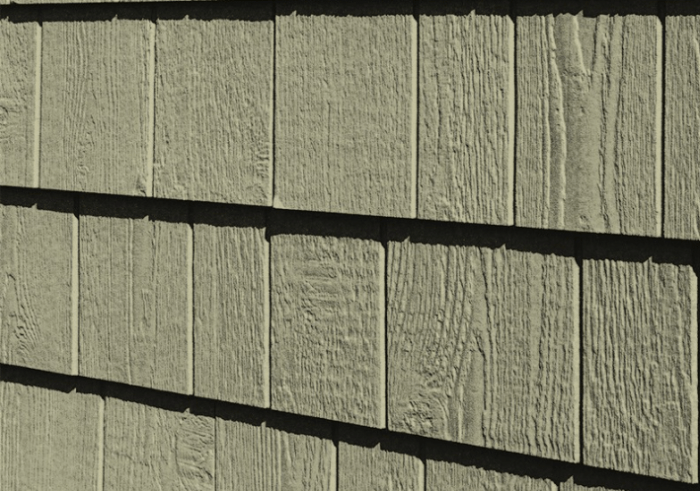
In conclusion, fire-resistant siding materials serve as a vital component in construction, offering durability and protection. By understanding their installation techniques, maintenance requirements, and longevity, one can ensure a safe and resilient structure.
Questions and Answers
What are the benefits of using fire-resistant siding materials?
Fire-resistant siding materials provide added protection against potential fire hazards, enhancing the safety of a building.
Are fire-resistant siding materials more expensive than regular siding materials?
While fire-resistant siding materials may have a higher upfront cost, they can potentially save money in the long run by reducing the risk of fire damage.
Can any type of building use fire-resistant siding materials?
Yes, fire-resistant siding materials can be utilized in various types of buildings, from residential homes to commercial structures.