
In the realm of home maintenance, few things are as crucial as ensuring your heating and air conditioning systems are in top-notch condition. This guide dives into the importance of heat and air repair, shedding light on the impact of neglect and providing practical tips for homeowners.
Get ready to explore a world where comfort and efficiency go hand in hand.
Importance of Heat and Air Repair
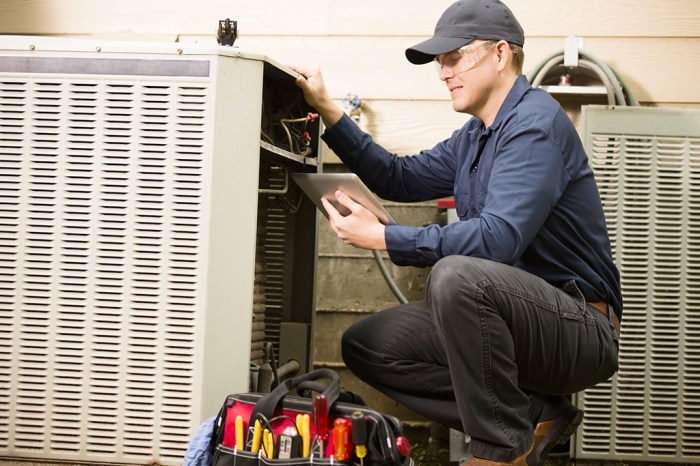
Regular maintenance of heating and air conditioning systems is crucial to ensure optimal performance and longevity. Neglecting heat and air repair can have detrimental effects on energy efficiency and indoor air quality, leading to higher utility bills and potential health risks.
Impact on Energy Efficiency
Failure to maintain heating and air conditioning systems can result in reduced energy efficiency due to clogged filters, dirty coils, or worn-out components. This can lead to increased energy consumption and higher electricity bills.
Impact on Indoor Air Quality
Without proper maintenance, heating and air conditioning systems can accumulate dust, allergens, and other contaminants that are then circulated throughout the indoor environment. This can worsen indoor air quality and contribute to respiratory issues, allergies, and other health problems.
Common Issues without Maintenance
- Reduced cooling or heating capacity
- Uneven temperature distribution
- Frequent breakdowns
- Increased noise levels
- Poor air circulation
- Higher humidity levels
Common Heat and Air Repair Services
When it comes to maintaining and repairing heating and cooling systems, professionals in the industry offer a range of services to ensure optimal performance. These services are essential in keeping your home comfortable and energy-efficient. Let's explore some of the common heat and air repair services provided by experts in the field.
Diagnostic Services
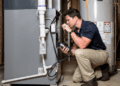
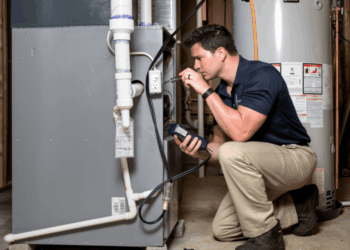
Professionals in the heat and air repair industry are trained to diagnose a wide range of issues with heating and cooling systems. By conducting thorough inspections and tests, they can pinpoint the root cause of any problems and recommend the most effective solutions.
Utilizing advanced tools and techniques, they can identify issues such as faulty components, leaks, or inefficiencies in the system.
Repair and Replacement of Components
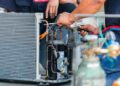
One of the key services offered by heat and air repair professionals is the repair and replacement of components in heating and cooling systems. Whether it's a malfunctioning thermostat, a worn-out compressor, or a leaky duct, these experts have the knowledge and skills to fix the issue promptly.
They can also recommend the replacement of old or damaged components to ensure the system operates efficiently.
Regular Maintenance Services
To prevent costly repairs and extend the lifespan of your heating and cooling system, professionals offer regular maintenance services. This includes cleaning filters, lubricating moving parts, checking refrigerant levels, and inspecting electrical connections. By scheduling routine maintenance appointments, you can keep your system in top condition and avoid unexpected breakdowns.
Emergency Repairs
In case of sudden system failures or malfunctions, heat and air repair professionals also provide emergency repair services. They understand the urgency of restoring comfort in your home and are available around the clock to address any heating or cooling emergencies.
Whether it's a broken furnace in the middle of winter or a malfunctioning air conditioner during a heatwave, these experts can quickly diagnose and resolve the issue.
Energy Efficiency Upgrades
With a focus on sustainability and energy efficiency, heat and air repair professionals can also recommend and install upgrades to improve the performance of your heating and cooling system. This may include installing programmable thermostats, sealing ductwork, or upgrading to energy-efficient HVAC units.
By making these upgrades, you can reduce your energy consumption and lower your utility bills.
Significance of Timely Repairs
It is crucial to address any heating and cooling system issues promptly to prevent further damage and costly repairs. Ignoring minor problems can lead to more significant issues down the line, resulting in extensive repairs or even the need for a complete system replacement
By scheduling regular maintenance and addressing repairs promptly, you can prolong the lifespan of your system and ensure efficient operation year-round.
DIY Maintenance Tips
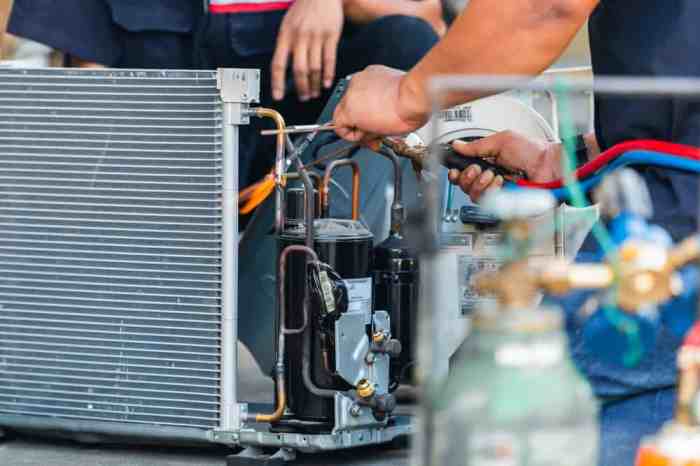
Regular maintenance of your heating and air conditioning systems is essential to ensure they function efficiently and last longer. By performing simple tasks on a regular basis, you can prevent costly repairs and extend the lifespan of your HVAC units.
However, it's important to follow safety precautions when conducting DIY maintenance to avoid accidents or damage.
Change Air Filters Regularly
One of the easiest and most important maintenance tasks is to regularly change the air filters in your HVAC system. Clogged or dirty filters can restrict airflow, reducing the system's efficiency and causing it to work harder. Check your filters every month and replace them every 1-3 months, depending on usage.
Clean the Outdoor Unit
Ensure the outdoor unit of your air conditioning system is free from debris, such as leaves, dirt, and grass clippings. Use a hose to gently clean the unit and remove any obstructions that could hinder airflow. This will help your AC system operate more efficiently and prevent overheating.
Check and Seal Ductwork
Inspect the ductwork for any leaks or gaps that could be causing air loss. Use duct tape or mastic sealant to seal any openings and ensure that your system is delivering air efficiently. Properly sealed ducts can improve the overall performance of your HVAC system.
Schedule Professional Maintenance Annually
While DIY maintenance is important, it's also recommended to schedule annual maintenance with a professional HVAC technician. They can perform a thorough inspection, clean components, and identify any potential issues before they turn into major problems. Regular professional maintenance can prolong the lifespan of your heating and air conditioning systems.
Signs That Indicate the Need for Repair
When it comes to your heating or cooling system, there are certain signs that indicate it may be time for professional repair. Being aware of these signs can help you address issues before they escalate and become more costly to fix.
Unusual Sounds
One common sign that your HVAC system may need repair is the presence of unusual sounds. Clanking, grinding, or squealing noises coming from your unit could indicate a problem with the motor, fan blades, or other components that require attention from a professional technician.
Strange Smells
If you notice strange odors coming from your vents when your heating or cooling system is running, it could be a sign of a potential issue. Musty or burning smells could indicate problems with the electrical components, while a rotten egg smell could be a sign of a gas leak that requires immediate attention.
Irregular Behavior
Irregular behavior from your HVAC system, such as frequent cycling on and off, inconsistent temperature control, or poor airflow, can also indicate the need for repair. These issues could be caused by a variety of factors, including dirty filters, malfunctioning thermostats, or faulty components that need to be addressed by a professional technician.
Regular Inspections
Regular inspections and maintenance can help catch potential problems early on before they escalate into larger issues. By scheduling routine maintenance with a qualified HVAC technician, you can ensure that your heating and cooling system is running efficiently and effectively, saving you time and money in the long run.
End of Discussion
As we wrap up our discussion on heat and air repair, remember that regular maintenance is key to a cozy home environment. By staying proactive and addressing issues promptly, you can enjoy optimal efficiency and air quality. Here's to a well-maintained HVAC system and a comfortable living space!
Detailed FAQs
How often should I schedule maintenance for my heating and air conditioning systems?
Maintenance should ideally be done twice a year, in spring and fall, to ensure optimal performance.
What are some red flags that indicate my HVAC system needs professional repair?
Unusual noises, inconsistent cooling or heating, and sudden spikes in energy bills are signs to watch out for.
Can DIY maintenance tasks replace professional servicing?
While DIY tasks help in upkeep, professional servicing is essential for thorough inspections and complex repairs.